


05 January . 2026
Does giving up a low mortgage rate ever make sense?
For many homeowners who locked in mortgage rates between 2% and 4% during the pandemic, the thought of giving up that rate may feel almost unthinkable. And honestly? We get it. Those rates were historically low, and it’s natural to hesitate before making a change.
But holding onto anything too tightly can have a downside, and sometimes you just have to move on. Below we’ll explore 7 scenarios where giving up a low rate makes more sense than hanging on—do you see yourself in any of them?
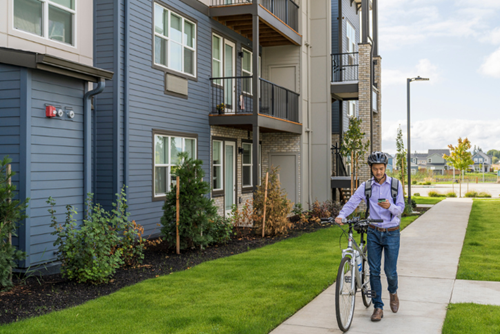
When your current home no longer fits your life
Many people who bought during 2020–2022 didn’t intend to buy their forever home. And even the best mortgage rate can’t compensate for a home that just doesn’t work for you anymore. Common life changes often outweigh the financial benefit of a low rate, including a growing family, needing a home office or flex space, living near a good school, or just wanting a more modern layout. A 3% rate is great, but if you’re tripping over toys, sharing one bathroom, or have no space to work, the quality of life tradeoff is huge. Bottom line: When your life changes, your housing often needs to change with it.
When your equity can work harder in a new home
Over the past few years, many homeowners have built substantial equity, and this can give you tremendous buying power. Equity can help you increase your down payment, reduce the size of your new loan, avoid mortgage insurance, and lower your monthly payment—even with a higher rate. In some cases, moving can result in a similar payment because you’re borrowing far less than you originally did, regardless of whether the interest rate is higher.
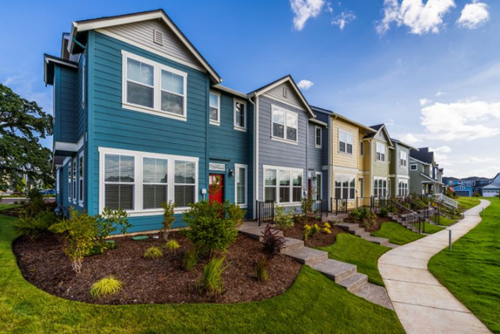
When you can buy down your rate or use seller incentives
Higher rates don’t automatically mean your next loan has to look painful. In this market, many Oregon buyers are taking advantage of rate buydowns or builder incentives on new construction. With newly-built homes, you are more likely to find builders that offer perks or promotions, ranging from locked interest rates to appliance packages, or even a buying credit when you use a preferred lender. Unlike a pre-existing home, your new home may also come with a builder's warranty to help reduce the stress of potential repairs down the road.
When you can refinance later (but the buying opportunity won’t last)
A popular strategy today is to buy the home you really want, then refinance to a lower rate later. This means you get the best of both worlds: the right home and a future lower payment. Further, if your credit score has increased since you first bought your home, the rate you qualify for today might be better than you expect. Remember: a higher rate can be refinanced later, but buying the right home is a now-or-never opportunity.

When you want to move into your forever home
While a low mortgage rate is nice, it shouldn’t prevent you from moving into a home that will serve you for decades. You may be dreaming of a more community-oriented neighborhood; better access to parks, nature, and amenities; a home closer to family and friends; or even a community designed to help you age in place. If you’re planning to stay for 10 years or more, the long-term benefits often outweigh a slightly higher monthly payment now.
When renovations cost more than moving
Many homeowners consider upgrading their existing space instead of leaving their low rate behind. But lately, renovation costs have skyrocketed. Between labor, materials, permits, and surprises behind the walls, it’s common for renovations to cost far more than expected. In this case, a move may make more sense if your home needs major upgrades (like a roof, siding, or electrical); if you’re outgrowing the space anyway; or if you’d lose months of living space and productivity during construction. In many cases, buying a new home is more affordable than trying to force your old home into something new.

When monthly payment isn’t the only factor
Your mortgage rate isn’t everything; your overall financial picture matters more. Homeowners often choose to move, even into higher rates, because it supports their long-term financial goals. You may be able to reduce your commuting costs and improve work–life balance, lower your home maintenance expenses in a more energy-efficient home, or reduce property taxes by switching neighborhoods. If the move improves your financial stability, it may be worth pursuing even with a higher interest rate.
So… does giving up a low mortgage rate make sense?
A low rate matters, but it isn’t everything. For many homeowners—especially those with major life changes, strong equity, or big-picture goals—the answer is unequivocally yes.
Looking for a new home in Oregon? Take a virtual tour, come by for a visit, or sneak a peek at what’s in store for the future.