
03 August . 2026
The new starter home looks different than you think
For generations, buying a home followed a familiar script: purchase a modest starter home, build equity, then move up as life (and your budget) grew.
Today, that script is being rewritten. Rising costs, fluctuating interest rates, and changing lifestyles have prompted many people to think differently about what their first home should be. Instead of settling for a starter home, people are asking: “What home actually fits the life I want to build?”
Here in the Portland metro area, buyers are taking an even more nuanced view. Rather than thinking in terms of “starter homes” or “forever homes,” they're simply asking whether a home will make them happy over the next five to ten years—and that shift is changing the local market.
What is a starter home?
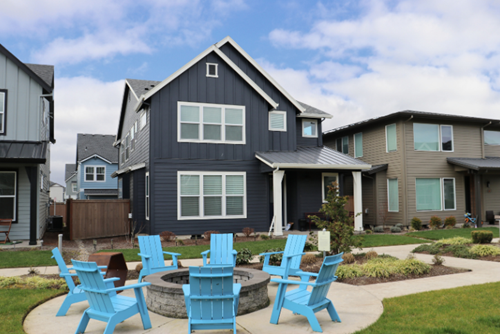
The old view of a starter home was simple: buy whatever you can afford and eventually sell it to trade up to something better. In this model, considerations like location or amenities take a backseat because price is the biggest factor.
And while that path can still work for some buyers, it's quickly becoming outdated. Think of it this way: a smaller home in a neighborhood you adore will likely deliver more long-term happiness than a larger home in a neighborhood that’s just OK. For today’s homebuyers, that's often a worthwhile tradeoff.
Do I need to buy a starter home?
Absolutely not! Today's buyers have a lot more options than previous generations.
People are changing jobs more often, working remotely, starting families later, traveling more, and placing greater value on flexibility. At the same time, moving has become more costly—not just home prices, but also moving expenses, furnishings, and the disruption that comes with packing up your life. As a result, many buyers are thinking less about finding a starter home and more about finding one that can support them for years to come.
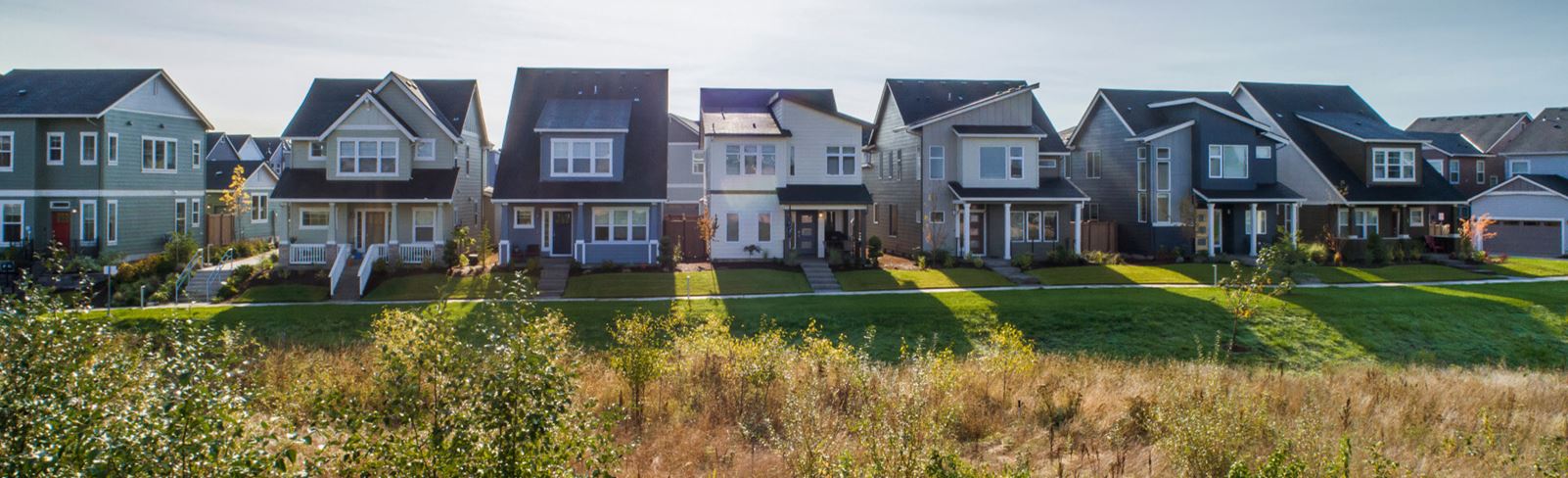
In the Portland area, we’re seeing increased interest in attached homes—including townhomes, duplexes, and triplexes—as buyers look for ways to enter the market without sacrificing location or quality. In Reed’s Crossing, many first-time buyers are choosing attached homes to get into the community sooner.
Some other local trends include buying with family members or friends, looking at homes designed for multiple generations, or using financing programs that help reduce upfront costs. The goal isn't necessarily to buy less, but to buy smarter. So let’s explore your options!
Creative financing is opening more doors
Today’s homebuyers are incredibly savvy and research-driven, and we’re seeing a lot more people who are thinking in terms of monthly costs (like maintenance, commuting, and lifestyle) rather than focusing on purchase price. Even so, many homebuyers don't realize that there are more financing options available than saving 20% for a down payment.
Depending on eligibility, you may have access to down payment assistance, rate buy-down opportunities, new construction builder incentives, and local and state homebuyer assistance programs. Working with a trusted lender early in the process can uncover opportunities you didn't even know existed—and make purchasing sooner more realistic than expected.
Lifestyle is winning over square footage
One of the biggest changes we see is that buyers are looking outside the floor plan. Most of the people who buy here are searching for a neighborhood with easy access to everyday conveniences. Instead of asking, "How many square feet can I afford?" they're asking questions like:
- Can I walk to a neighborhood park?
- Will I spend my weekends maintaining my yard or enjoying it?
- Is there space to work from home?
- Can I easily meet friends for coffee or dinner?
- Will this neighborhood still fit my life a few years from now?
Sometimes that means choosing a slightly smaller home in a neighborhood that offers more opportunities to get outside, connect with neighbors, or spend less time commuting. For many buyers, those everyday experiences are just as valuable as an extra bedroom.

Co-buying is becoming more common
Buying a home isn't just for couples and families. These days, friends, siblings, and unmarried partners are purchasing homes together to make ownership more affordable.
By sharing upfront costs and monthly expenses, co-buying can help buyers qualify for homes that might otherwise be out of reach. Of course, it's important to have clear agreements in place regarding ownership, finances, and future plans, but for many households, it's becoming a practical path to homeownership.
Multi-generational living is on the rise
The US is finally catching up to the rest of the world when it comes to multi-generational living, which simply means keeping the whole family together, from grandparents to toddlers.
Multi-generational households continue to grow in popularity as families look for ways to support aging parents, adult children returning home, or shared childcare responsibilities. Homes with flexible layouts, bonus rooms, or separate living spaces can make it easier for multiple generations to live comfortably while sharing expenses.
The right path to homeownership is the one that works for you
The traditional starter-home model still works for some buyers, but it isn't the only path. Whether you choose a townhome, to buy with friends, explore creative financing, or prioritize living in a community that supports your lifestyle, today's shoppers have more ways than ever to make homeownership happen.
Are you ready to become a homeowner? Come visit our Model Home Village, take a virtual tour, or sneak a peek at what’s in store for the future.