

08 May . 2026
5 common homebuying mistakes and how to avoid them
The dream of owning your very own home is exciting. You get to fantasize about the future, pick out decor that matches your style, and plan a lavish housewarming party complete with signature cocktail. But for many homebuyers, the transition from renter to owner comes with more than a few, "Wow, I wish I’d known that" moments.
Fortunately, we’re here to help. Before you start looking for your new home, take a peek at these five super-common mistakes to help ensure you end up with a dream—not a nightmare.
-
Getting caught up in the DIY mentality
In the age of YouTube tutorials and homebuying apps, it’s tempting to think you can navigate the entire process solo. But these days the market changes quickly, and having a pro in your corner means you won’t miss out on your dream home while you’re Googling what “escrow” means.
A good way to avoid this trap is to connect with a trusted agent and lender early. Most importantly, get pre-approved before you fall in love with a specific floor plan. In a competitive market, a pre-approval letter is your ultimate flex, showing sellers that you’re serious and ready to move. That way, when you do uncover your perfect place, you won’t have to scramble. Being ready to make an offer as soon as you find the right home is crucial, especially as there are likely to be other offers on the table.

-
Misunderstanding the true costs of home ownership
It’s easy to plug numbers into a mortgage calculator and think, “Yep, I can afford that.” But your monthly payment is only part of the picture. Homeownership comes with a range of additional costs—utilities, insurance, maintenance, and the unexpected items that inevitably pop up. Even everyday things you didn’t think twice about as a renter, like yard care or basic tools, can add up fast.
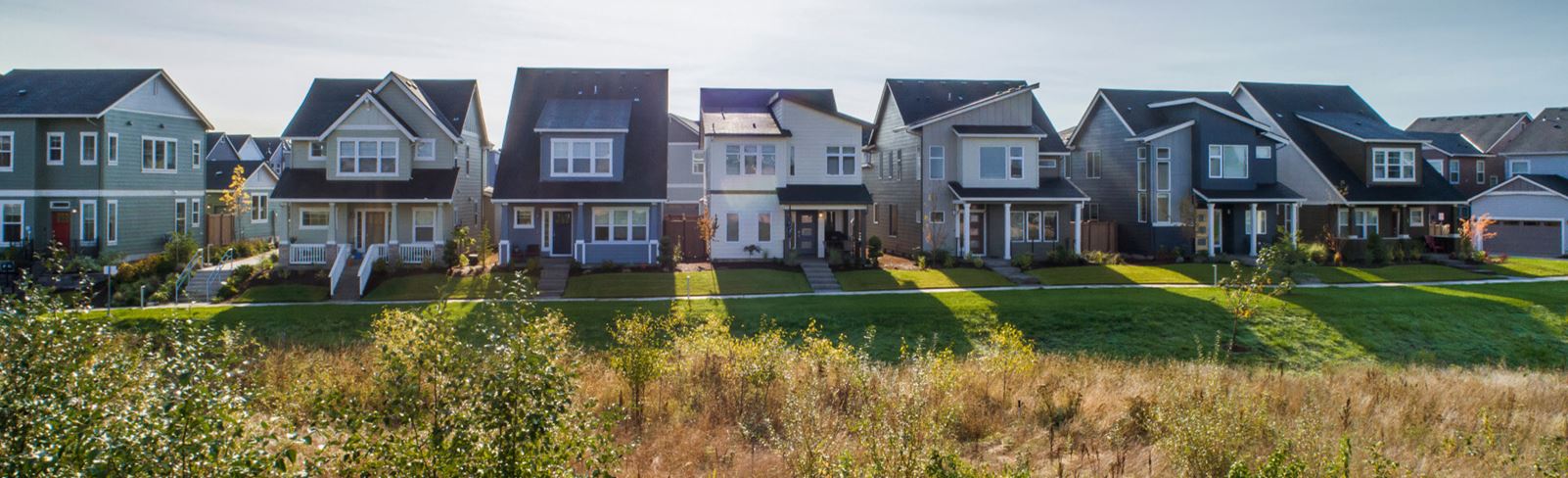
If you’re buying an older home, those costs extend even further. You may need to make updates before you move in, from simple upgrades like new fixtures to investments like repairs or security systems. That’s why many first-time homebuyers are drawn to new builds and energy-efficient homes. In a community like Reed’s Crossing, features like advanced insulation and smart thermostats can help keep utility costs more predictable so it’s easier to plan and budget.
-
Skipping the neighborhood research
You may have heard the old saying, “Location, location, location!” And there’s real truth behind it. Imagine this: you’re touring homes for sale and find a kitchen that’s chef's-kiss amazing, seriously to die for. But, if the nearest decent grocery store is 20 minutes away, that charm won’t go far. And you might start regretting your choice a little more every time you have to go on a trek just to pick up some garlic.
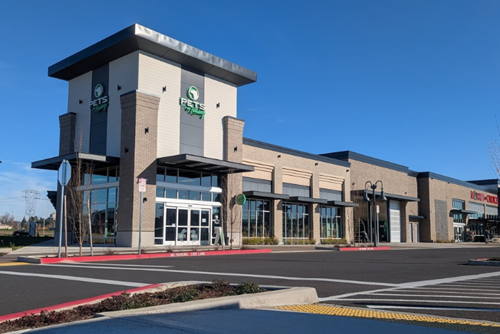
The solution is to look for walkable neighborhoods. Can you get to a grocery store without a car? Is there reliable public transportation? In a place like Reed’s Crossing, the centrally-located Town Center means you can walk to get groceries, see the doctor, pick up coffee, shop for a gift, and various other services, from Pilates to pet grooming. Plus, with miles of interconnected paths, you can get your steps in without ever having to hunt for a parking spot.
-
Ignoring future-proof features
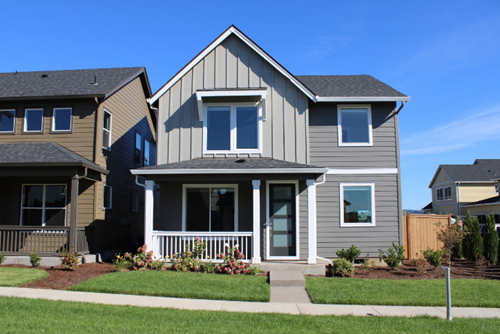
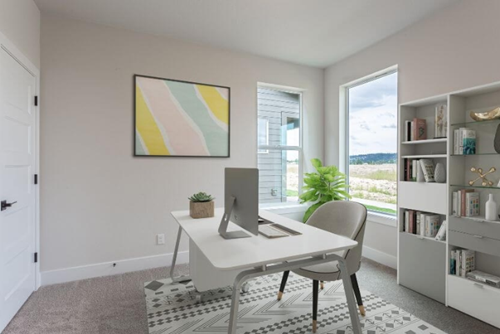
It’s important to buy for the life you have now, but you should also consider the life you see coming in five years, or even ten. Is this home built to handle the air quality during wildfire season? Is it energy-efficient enough for rising utility costs? Is there a dedicated office space that isn’t just your kitchen table? Life moves fast, and your home should be able to keep up.
So while you're on the hunt, look beyond what works today and pay attention to the details that will matter tomorrow. Whether you're buying new or resale, features like high-performance windows and AC systems with HEPA-grade filtration can make a real difference, keeping your home comfortable, healthy, and resilient through even the most intense Pacific Northwest summers.
-
Underestimating home maintenance
It’s easy to focus on how a home looks during a showing, but what matters just as much is how it performs over time. Older homes can come with hidden maintenance needs, from an aging HVAC system to outdated electrical or plumbing, and those costs can add up quickly.
That’s where new construction stands apart. With modern building standards, new systems, and builder warranties, you start with a clean slate and fewer immediate repairs to worry about. And let’s be honest: your weekends are better spent doing what you love, not managing a growing list of home projects.
Feel more confident about buying a home?
Now that you know what to look for and what to avoid, you’re already approaching the process from a stronger position. Your next step is to visit in person and pay attention to how it feels to spend time there—because the right home isn’t something you see, it’s something you feel.
Want to learn more about future-focused living? Come visit our Model Home Village & Discovery Park, take a virtual tour, or sneak a peek at what’s in store for the future.