
02 June . 2026
New construction vs. existing homes: What buyers should know
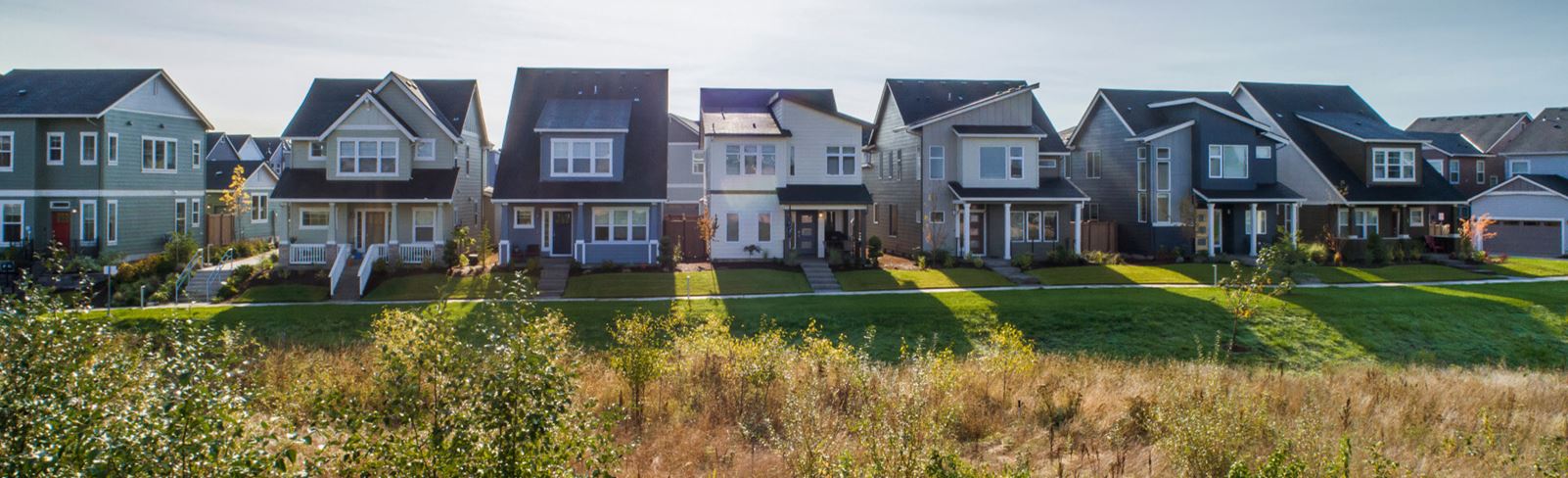
If you’re searching for homes in Hillsboro, Oregon, you’ll likely find yourself weighing two main options: new construction and existing (resale) homes. Both have their advantages—but the right choice comes down to how you want to live, not just where.
What is new construction and how does it work?
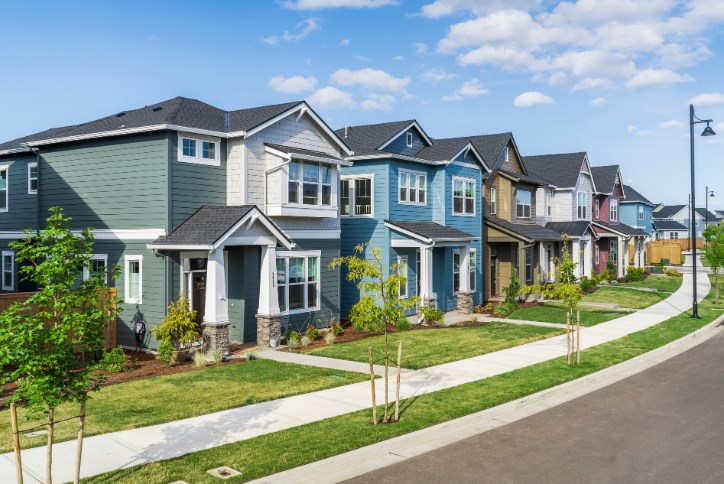
New construction refers to a home that is brand new and has never been lived in, often built by a developer or builder within a planned community like Reed’s Crossing. The process typically involves choosing a homesite and floorplan, signing a purchase agreement, selecting design finishes, and moving through construction. Key milestones along the way include inspections, walkthroughs, and a final closing before move-in.
Read on for 6 main differences between new construction and existing homes, and what to watch out for as you start looking.
Personalization vs. pre-loved
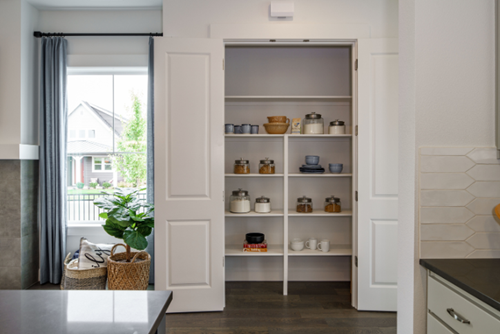
One of the biggest advantages of new construction is the ability to personalize your space. Here in South Hillsboro, we work with multiple award-winning homebuilders so every homebuyer can find their perfect fit. Depending on the plan you select, you can choose finishes like flooring, cabinetry, countertops, and fixtures, making a home that is uniquely yours from day one.
Existing homes, on the other hand, tend to come with more established character. From landscaping to architectural details, these homes reflect years or even decades of use. While you won’t get to choose every detail, you might find an old-fashioned charm that speaks to you.
The tradeoff:
New = designed for you
Existing = defined before you
Maintenance and peace of mind
With a new construction home, everything from the roof to the appliances is brand new. This means you’re less likely to encounter unexpected repairs in the early years. Many also include builder warranties for added reassurance.
With existing homes, maintenance needs can vary widely depending on age and condition. They often require more upkeep—especially if major systems like HVAC, plumbing, or roofing are older—which may lead to a higher-maintenance way of life. And, while inspections can help uncover problems before you move in, you’ll want to plan for updates and repairs over time.
The tradeoff:
New = lower maintenance
Existing = potential for ongoing repairs
Energy efficiency and technology
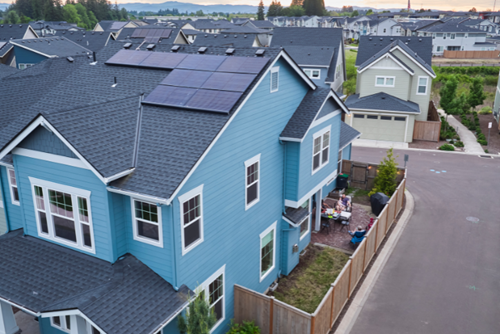
New homes are built to meet modern energy codes and often include energy-efficient appliances, better insulation, and smart home features. In Reed’s Crossing, all homes are designed to be solar-ready and electric charging station-ready, empowering you to make the move toward a greener lifestyle.
Older homes are not as efficient, but upgrades are always an option. According to local company Resilient Retrofitters, Portland homes built before 1980 tend to struggle with issues like cold floors in the winter, overheated rooms in the summer, and heating systems that can’t quite keep up. In the Portland real estate market, most older homes’ Energy Score ranks between 3 and 5, with estimated energy costs of $1,500 per year. By contrast, the estimated energy costs of a new construction home with a score of 10 are nearly half as much.
The tradeoff:
New = built-in efficiency, modern tech, lower bills
Existing = opportunities to upgrade (if you have the budget)
Location and community
For many buyers, it’s not just about the home itself, but the lifestyle that comes with it. Existing homes are often located in established areas, may be closer to downtown, and typically come with a few neighborhood amenities, like a public park.
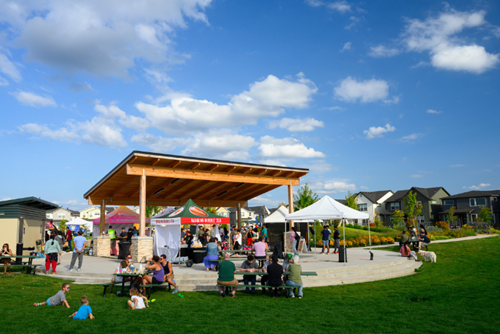
New construction homes, particularly in master-planned communities like Reed’s Crossing, are intentionally designed to create connection. Walkable streets, parks, paths, and gathering spaces make it easier to meet neighbors and spend time outdoors, while resident programming and events—from movie nights to seasonal festivals—help foster a strong sense of community year-round.
The tradeoff:
New = built-in lifestyle and amenities
Existing = established location
Timeline and move-in readiness
If you’re on a tight timeline, an existing home may be the quicker option, often allowing for move-in within a couple of months.
On the other hand, new construction timelines can vary widely. Fortunately, at Reed’s Crossing, quick move-in homes are almost always available if you need to move right away. For buyers who aren’t in a rush, the ability to choose your home and watch it come together can be part of the appeal.
The tradeoff:
New = potential wait time (unless move-in ready)
Existing = can be a faster path to move-in
Cost today vs. cost over time
Existing homes may offer a lower initial purchase price, but renovation, maintenance, and energy costs can add up over time.
New construction homes may come with a higher purchase price due to modern features and customization options. However, they also come with inherently growing value. Here in Reed’s Crossing, the community itself is a major selling point, with abundant green space, proximity to schools, and shopping & dining in Town Center—all less than a mile away from every home.
The tradeoff:
New = cost may be higher upfront, but with fewer surprises
Existing = cost may be lower upfront, with added costs later
So, which is right for you?
There’s no one-size-fits-all answer; the right choice depends on your timeline, lifestyle, and long-term goals. If you’re drawn to old neighborhoods and love the idea of a fixer-upper, an existing home may be right for you. If you value modern design, lower maintenance, and customization options, new construction is likely a better fit.
Want to tour new construction homes in Hillsboro, Oregon? Come visit our Model Home Village & Discovery Park, take a virtual tour, or sneak a peek at what’s in store for the future.