
16 April . 2026
More homebuyers are choosing lifestyle-focused neighborhoods
For decades, homebuyers focused primarily on one thing when searching for a home: the house itself. Square footage, finishes, and yard size were often the biggest deciding factors. But current data shows that more people are choosing to live in master-planned communities instead of traditional neighborhoods, with sales increasing by double digits over the past few years. These thoughtfully designed areas are built with an entire lifestyle in mind, combining homes, amenities, and outdoor spaces into one cohesive environment.
As housing preferences evolve, master-planned communities have become one of the fastest-growing segments of the new construction market. Buyers are drawn not just to the homes, but to the sense of place, convenience, and community these neighborhoods offer. So, what’s behind this shift? And why are so many buyers prioritizing master-planned living? Let’s take a closer look at six key trends driving this growing demand.

Buyers want more than a house; they want a lifestyle
While home features are still important, today’s homebuyers are looking beyond the floor plan, and asking bigger questions about how a neighborhood will support their everyday lives, both now and in the future. Where can they walk the dog? Is there a nearby park for the kids? Are there places to meet friends, grab coffee, or pick up groceries close to home?
Master-planned communities are specifically designed to answer these questions. Instead of just putting houses on lots, the developers plan entire neighborhoods around how people want to spend their time. This includes integrated features like parks and open green space, walking and biking paths, gathering areas, restaurants, shops, and services—all the things you may have on your homebuying wish list. And the result is a community that supports daily routines in a way traditional neighborhoods often can’t.

Walkability and convenience are major priorities
One of the biggest shifts in modern homebuying is the growing demand for neighborhoods that facilitate active transportation, which means walking, biking, e-biking, and using scooters or wheelchairs. Many homeowners want to reduce how much they rely on driving for everyday activities, so being able to walk to the store, have a dedicated bike path, or meet friends nearby has become an increasingly valuable part of the homebuying equation.
Unlike other neighborhoods, master-planned communities typically include interconnected walking and bike paths, greenways and nature corridors, and easy access to local gathering spots. In communities like ours, retail, restaurants, schools, and services are also incorporated into the long-term plan, making it easier for residents to do more close to home. For families, remote workers, and anyone looking to simplify their routine, this level of convenience can make a real difference in day-to-day life.
Built-in amenities create everyday experiences
Another major factor that draws buyers to master-planned communities is the range of amenities available. In traditional neighborhoods, you may be limited to a small park or playground, if anything. But master-planned communities are purposefully designed with shared spaces that encourage recreation, wellness, and connection.
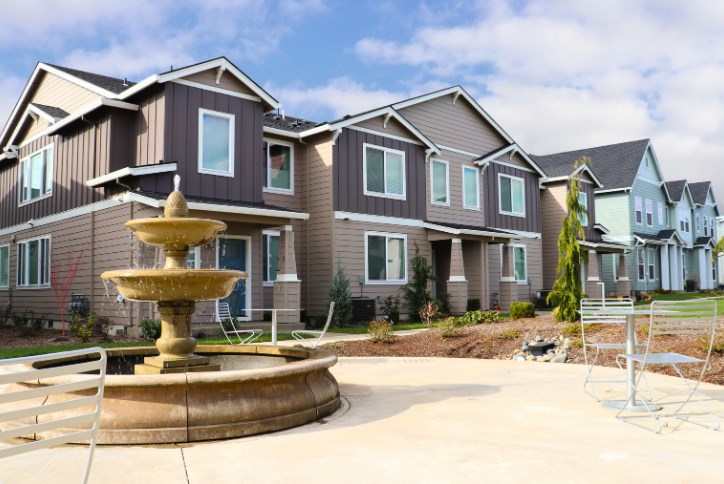
Depending on the community, amenities may include dog parks, fitness centers, event lawns, gathering spaces, parks and playgrounds, sporting areas, and more. For families living here, this could translate into summer evenings at the park or making new friends at the playground. For those without kids, it might mean morning jogs through the neighborhood or enjoying a moment of Zen in our lavender garden. These everyday experiences help transform a neighborhood into something more—a place where people actually want to spend their time.
Master-planned communities build stronger connections
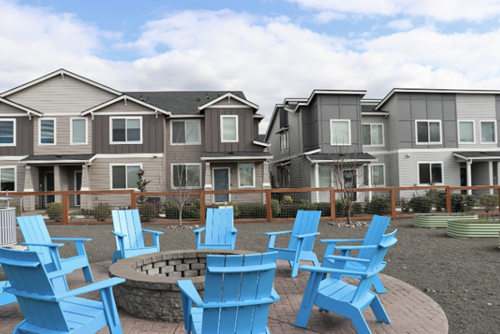
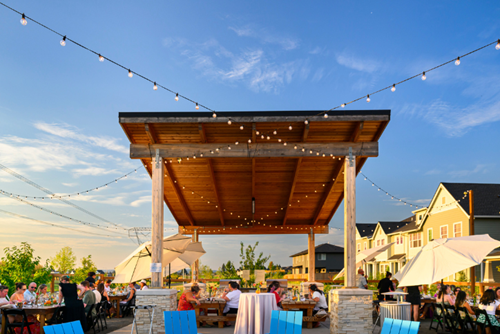
A common concern among homebuyers is finding a neighborhood where they can feel connected rather than isolated. Master-planned communities are designed to help foster this sense of belonging by intentionally creating spaces where people naturally gather, providing plenty of opportunities for neighbors to interact in ways that feel organic. At Reed’s Crossing, firepits, bocce courts, and picnic tables are dotted throughout the neighborhood—often right outside your door—so it’s easy to step outside and mingle with neighbors in a space that’s made for all of you.
Many communities also host regular events; at Reed’s Crossing, you’ll find farmers’ markets, outdoor movie nights, seasonal festivals, fitness classes, holiday celebrations, game nights, and more. These casual gatherings make it easier for neighbors to meet, build relationships, and feel part of something larger. For many residents, this is one of the most meaningful benefits of master-planned living.
More housing choices in one place
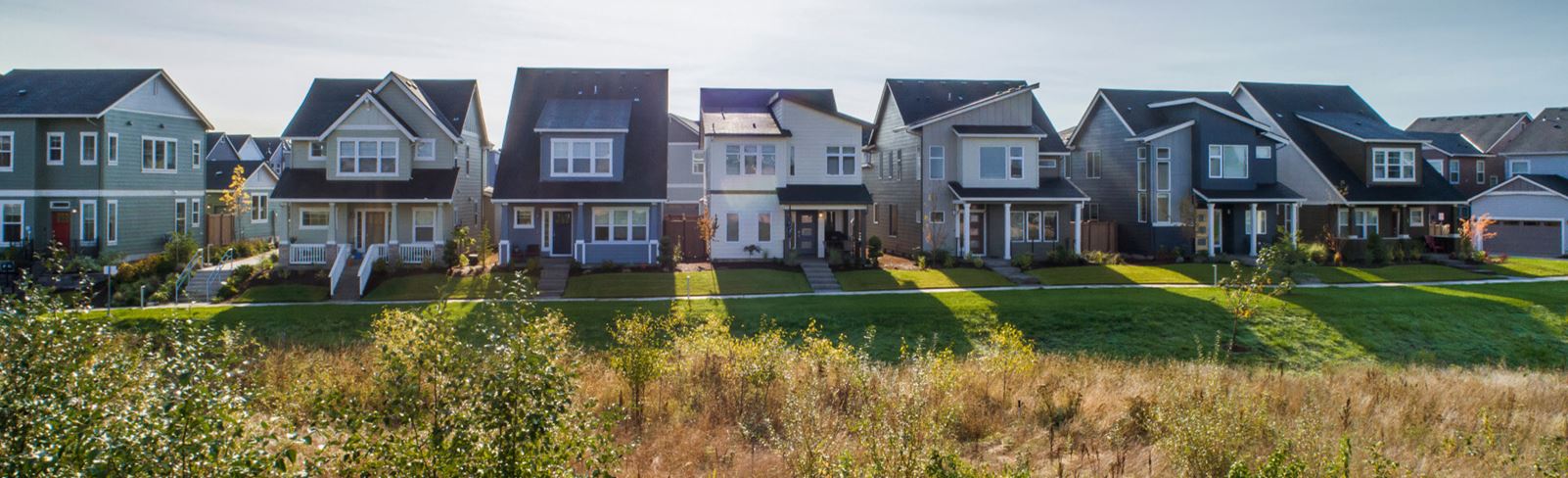
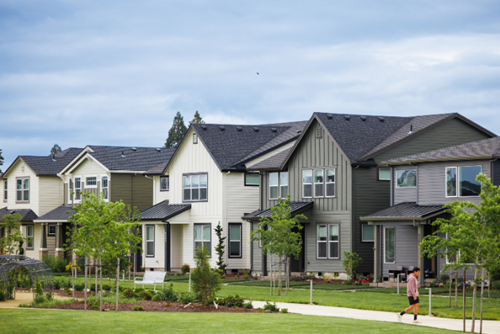
One big advantage of master-planned communities is the diversity of housing options available within a single area. Unlike traditional subdivisions that may feature one builder and one home style, communities like ours partner with multiple builders, giving homebuyers a wide range of architectural styles, floor plans, and price points.
At Reed’s Crossing, you’ll find many different types of homes for sale and rent, including townhomes, paired homes, single-family homes, apartments, and homes designed for different life stages. This variety allows buyers to find a home that fits both their current lifestyle and their long-term goals. Plus, it can make it easier for families to stay within the same community as their needs evolve. For example, a young couple might start with a smaller home and later upsize to a larger one as their family grows, all while remaining in the neighborhood they love.
Long-term planning creates better neighborhoods
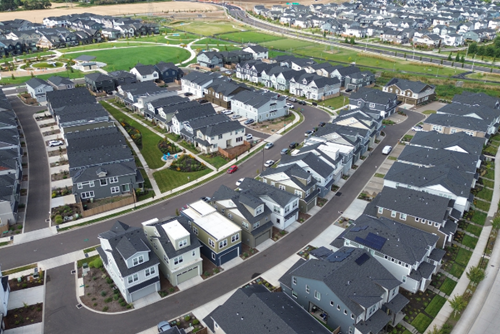
Perhaps the biggest distinction between master-planned communities and traditional neighborhoods is intentional, long-term design. Rather than being built in small phases with limited coordination, these communities are typically envisioned years—sometimes decades—in advance.
This comprehensive planning allows developers to consider how every part of the neighborhood will work together, and because everything is part of a larger vision, the result feels balanced and cohesive in a way that traditional neighborhoods just can’t match. Because of this, homes in master-planned communities tend to hold their value better, meaning the investment you make today is more likely to pay off down the road.
Why touring a master-planned community is the best way to understand it
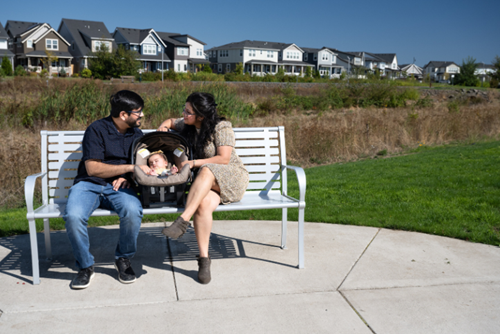
While photos and descriptions can give you a sense of what master-planned living is like, the real “a-ha moment” comes when you visit in person. Walking through the community will give you the chance to see how everything fits together, from the layout of the streets to the proximity of green spaces.
On any given day, you might see neighbors chatting on the sidewalk, families enjoying the playgrounds, or residents coming out for a community event—small moments that come together to paint a picture of what everyday life could look like. For many, touring the community is the moment they realize that buying a home isn’t just about the home. It’s about finding a place that feels like home, inside and out.
Want to see how a master-planned community could change your life? Come visit our Model Home Village & Experience Center, take a virtual tour, or sneak a peek at what’s in store for the future.