
08 April . 2026
The joy of living analog in a digital world
Most of us check our phones more than we’d like to admit. A quick glance at a notification, and suddenly you’re scrolling through whatever the algorithm decides you need to see. For better or worse, screens have become the backdrop for modern life. We work on them, we learn on them, we relax on them, and we keep up with friends and family through them.
But when people think about the moments that actually stick, it’s usually not something that happened on a screen. It’s laughing a little too loudly over cocktails with a friend. It’s a walk to the park with your kid on a Saturday morning. It’s running into neighbors at a backyard barbecue and staying longer than you planned. These are analog moments—the simple, real-life ones that don’t need Wi-Fi. And lately, they’ve started to feel a lot more important.
How to start living an analog life
“Analog living” is trending, but what does it actually mean? Most of us rely on our phones and laptops for everything from work to making grocery lists, so it doesn’t mean giving up technology. It simply means making room for experiences that happen fully in the real world.
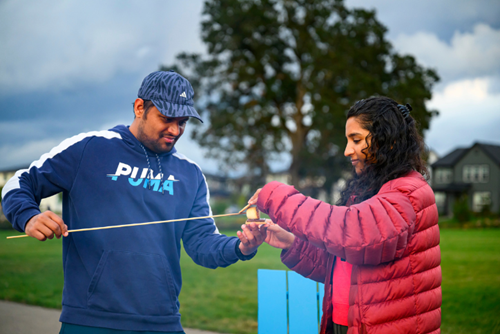
You may swap digital activities for more tactile ones, like picking up a book instead of an e-reader or writing a note by hand. Maybe you put your phone on airplane mode and walk to lunch. Or see how many birds you can spot in 15 minutes outside. None of these things are particularly complicated, but they do something we don’t always make time for: they pull you into the moment.
Why analog living matters more than ever
As technology continues to weave itself into every part of daily life, finding balance between online and offline experiences has become increasingly important. Research shows that excessive screen time contributes to stress, sleep disruption, and feelings of isolation. On the other hand, spending time offline—especially outdoors or in face-to-face interactions—has measurable benefits for mental health and well-being.
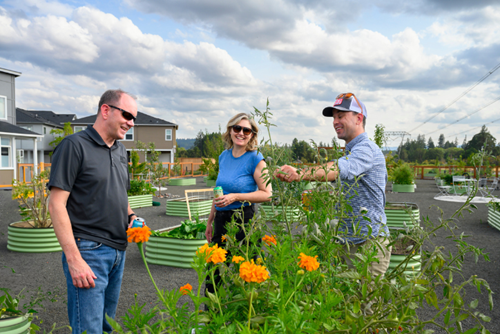
Analog experiences combine these benefits: they get you moving, give you a mental break, and foster connections, all of which have a real impact on how grounded you feel. It’s the difference between commenting on a photo and laughing about it in person; watching a sunset on your phone and feeling the breeze on your face; salivating over a photo of a burger or walking down the street to get one.
Analog living isn’t about rejecting technology; it’s about remembering how good it feels to forget about it. And while that mindset can happen anywhere, some places make it a lot easier than others.

A place designed for real-world connection
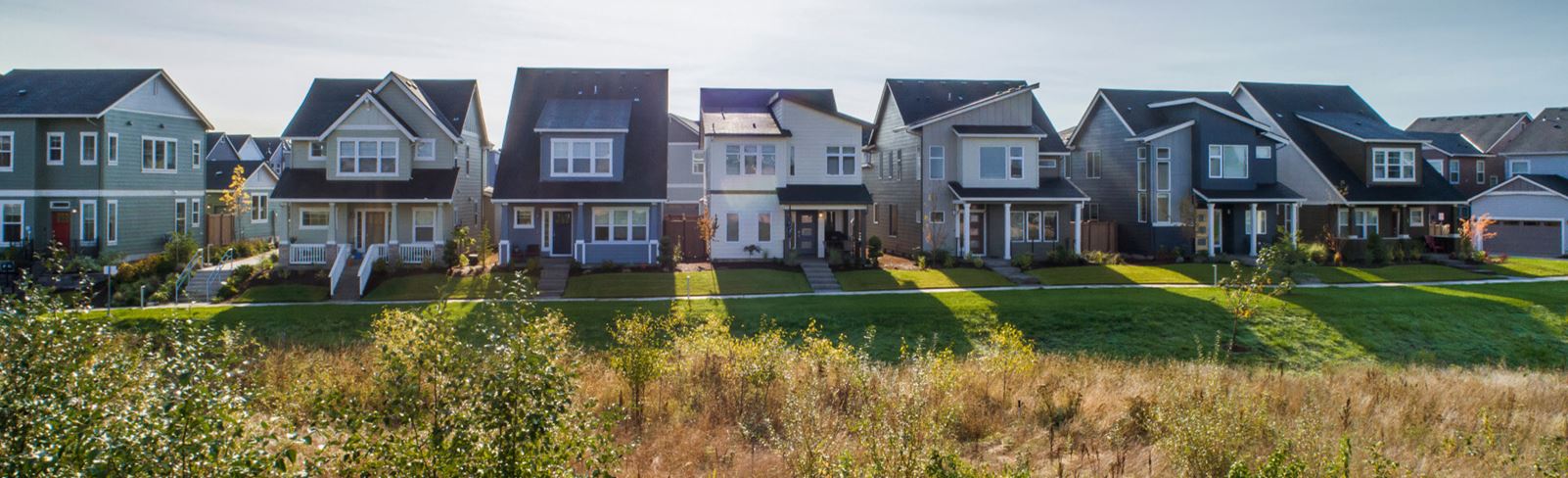
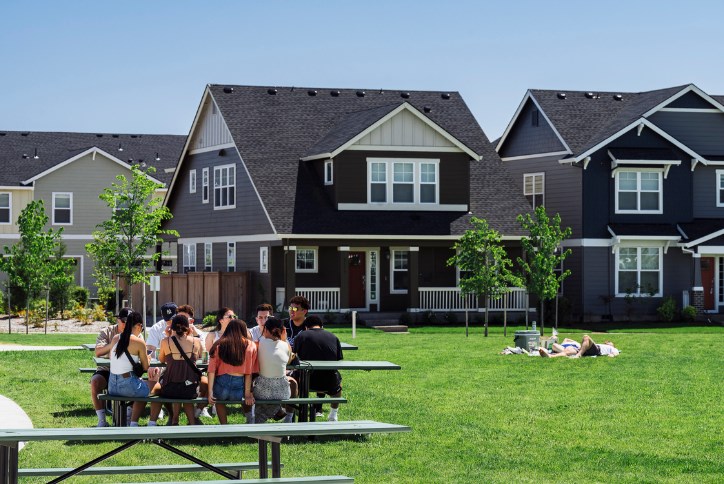
One of the things visitors notice fairly quickly about a place like Reed’s Crossing is how the neighborhood is designed around people. Front porches face picnic tables, firepits, and shared green spaces. Walking paths connect parks, playgrounds, and gathering spots. This layout isn’t a happy accident; it’s purposeful. When spaces like these are built right into your neighborhood, it’s that much easier to put your phone down and just enjoy the moment.
Sometimes connection starts with something simple, like smiling at the neighbor who comes home at the same time as you. Other times it happens more intentionally. Want to roast marshmallows on a cool evening? There are firepits for that. Feel like doing yoga outside on a nice day? Join a class in Reed’s Crossing Park. Little moments like these happen naturally when the environment invites people to gather. And before long, a quick hello turns into a conversation, a shared laugh, and an impromptu plan to meet up later. Sometimes all it takes is stepping outside.
Looking for a neighborhood that supports the way you want to live? Come visit our Model Home Village & Experience Center, take a virtual tour, or sneak a peek at what’s in store for the future.